


10 Easy Crops for the Littlest Gardener
My husband and I have always had a love for the outdoors and there isn’t a shortage of it in California, from beautiful beaches and redwood forests to quaint lakes in the Sierras. But living in the heart of Silicon Valley means we are surrounded by very little of this natural beauty on a daily basis. We live right on top of our neighbors, and the streets are
congested with traffic. Having household plants and a garden at home was a must for us
and we got our little ones involved with gardening at a very early age.
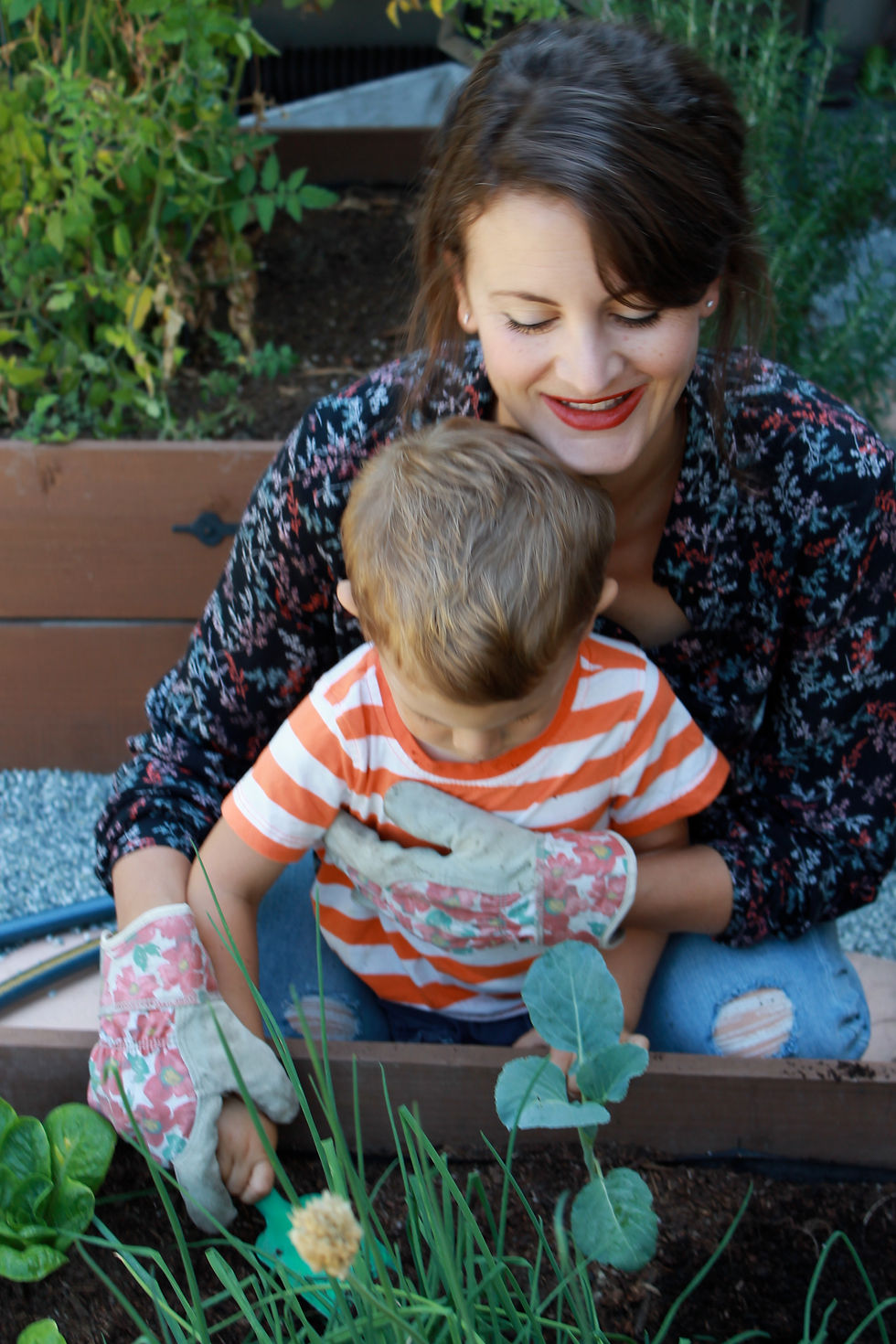
We love the smells of the earth and the therapeutic value of watering and digging, not to mention the easily accessible outdoor time with family. Aside from enjoying the watering cans, dirt and bugs, our children’s interest and self-esteem seemed to grow as their gardening efforts and practice yielded good results. Some crops are harder to grow than others and children are looking for more instant gratification in order to help them feel successful and independent. So, here are my Top Ten Crops for the young
gardener. They are easy to grow, have an overall short growing season, and are super
fun (and yummy) to harvest.
1.) Tomatoes: Cherry tomatoes are our family’s favorite. The crop is bountiful (growing
season can last up to 3 months!), fun to pick, and low maintenance. You can eat them
right off the vine or they can be used in tons of different recipes. I suggest planting
organic seedlings instead of seeds. They can be planted in the ground, raised beds, pots,
or even upside-down planters! Make sure they get plenty of sun, support the vine with
cages or steaks, and just water at least a couple times a week.
2.) Carrots: There are many carrot varieties and we have had fun trying them all; purple,
yellow, orange. I recommend the smaller varieties, as they are easier to grow and more
fun for little hands to eat! Mini carrots (babette or romeo) are best for small container
or potted gardens. Seeds can be sown directly into soil about 6 inches apart and should
be watered well (my youngest son’s favorite job.) Plant them at the tail end of summer
or in fall as they like cooler weather. Be patient because they can be slow to germinate
but they are wonderful aids in teaching the plant life cycle, as well as different parts of
plants that are eaten (we eat the root!) and they are a fun surprise to pull out of the
ground.
3.) Sunflowers: So fun and beautiful – a must for the children’s garden! Plant only one or
two as they get huge and need a bit of room. Sunflowers will sprout in less than a week,
become a tiny seedling in as little as two weeks, and should be as tall as your toddler in
a month’s time. In as little as eight weeks, the buds will flower showing off hundreds of
seed kernels. Make sure to grow the edible food-type flower also know as “confectionery” sunflowers. They will dry naturally in warm suns (good for summer) and the seeds can be harvested and eaten raw or roasted for a rewarding, nutritious snack. Save a few raw seeds and plant again, observing the plant life cycle!
4.) Lettuce: There are a million varietals and a good opportunity to try something new.
Plant several and create your own “salad garden”. Head to your local nursery and
choose what sounds good. Plant seedlings or seeds will germinate in 7-10 days. Lettuces
like light shade and keeping moist soil is important for the first couple weeks. Lettuce
can be planted in raised beds and pots. They can also be planted at ground level but are
more likely to be eaten by pests.
5.) Cucumbers: My children love cucumbers and watching their large, beautiful, yellow
flowers bloom. Our harvests keep us stocked for several weeks and they are fairly low
maintenance. Cucumbers are crisp and refreshing and fun for dipping in hummus or Greek yogurt. They need a bit of room to creep and grow, but can flow over the edges of pots or beds and can even be trained to crawl up trellis. Seeds germinate in 3-10 days and
like warmer weather so are good to plant in spring or summer. For fun try growing
tangy lemon cucumbers (peel before eating) or pickling cucumbers.

6.) Sugar Peas, Snap Peas, or Snow Peas: A quick-growing early crop, and fun for kids to eat right off the vine. Nothing beats their crunch when eaten whole and children enjoy
searching for and eating the peas (seeds) inside. They take about 10 days to germinate
and mature in about 60 days. Peas prefer cooler, partially shaded spots in the
garden and they should be sown closely, about 1 inch apart at most. Snow peas are easy because the pod is edible and since they are a dwarf vine, they can be grown with or without a trellis.
7.) Nasturtiums: Who doesn’t love planting flowers in the garden?! These flowers are
simple to grow and yield results quickly, which motivates and encourages the young
gardener. Nasturtiums bloom about 50 days after the seeds are planted, with lovely
orange, yellow and red flowers. They like sunny, dry locations and do well even in poor
soil. Choose the shorter varieties for garden beds. Nasturtiums are also pest resistant,
which ensures a successful planting and helps protect the rest of your crops! The
flowers are also edible, and can be used to add a pop of color to a fresh garden salad.
8.) Radishes: Quick results for the young gardener. Radishes germinate in 3-10 days, and
have a very short growing season of 20 to 30 days. They can be planted closely, about 4-6 inches apart. Plant them during cooler weather for a mild radish, or hot weather for a spicier radish. My children find radishes too spicy to eat so try for the cooler months and encourage trying something new!
9.) Pumpkins: A really great one for a child’s garden. The only down side is that they need a lot of room. We used a patch in the front yard along the fence one year. Simply make a small hill of soil and poke 3 holes in it and sow one seed in each hole. Seeds will sprout in about 1 week; after a few days, vine leaves begin to form and creep along the ground. Once there are 3 pumpkins on the vine, pick off any new blossoms. Pumpkins take 80 - 120 days to harvest. You will know they are ripe when the squash feels hard on the outside and sounds hollow when you tap it. Make sure an adult supervises the cutting, using shears, to pick them off the vine. You can eat almost every part of the plant (even the blossoms), which is fun. Seeds can be dried to eat raw or roasted in the oven (or
saved for planting next season!). The meat can be used for pumpkin pies and the
pumpkin for carving! A great fall festivity.

10.) Herbs: Herb gardens are easy to grow for any novice gardener. Herbs add flavor to
recipes and are extremely healthy to eat fresh. My children like to nibble on the mint,
basil, chives, and fennel in our herb garden. Our herbs seem to grow in every place
we’ve planted them – partly shaded pots in the backyard, cups on our kitchen’s
windowsill, and in our sunny raised boxes in the front yard. They are fragrant, add
beauty, and grow wild even from seed. They make any young gardener feel successful
and are fun to pinch into the spaghetti sauce straight from the plant!
What do you like to plant with your children? Do your kids love the planting, or the harvesting best?


Comments